Sugar Hill Retaining Wall Contractors | Superior Outdoor Spaces

Professionally Designed Retaining Walls for Strength, Drainage & Lasting Beauty
Rolling terrain, changing elevations, and Georgia’s expansive clay soils make retaining walls an important part of many landscapes throughout Sugar Hill. Whether you’re dealing with erosion, poor drainage, steep slopes, or an unusable backyard, a properly engineered retaining wall can stabilize the property while creating attractive, functional outdoor living space.

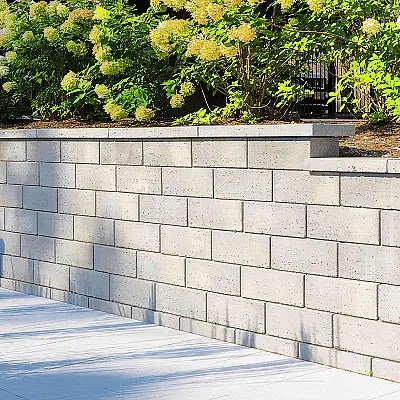

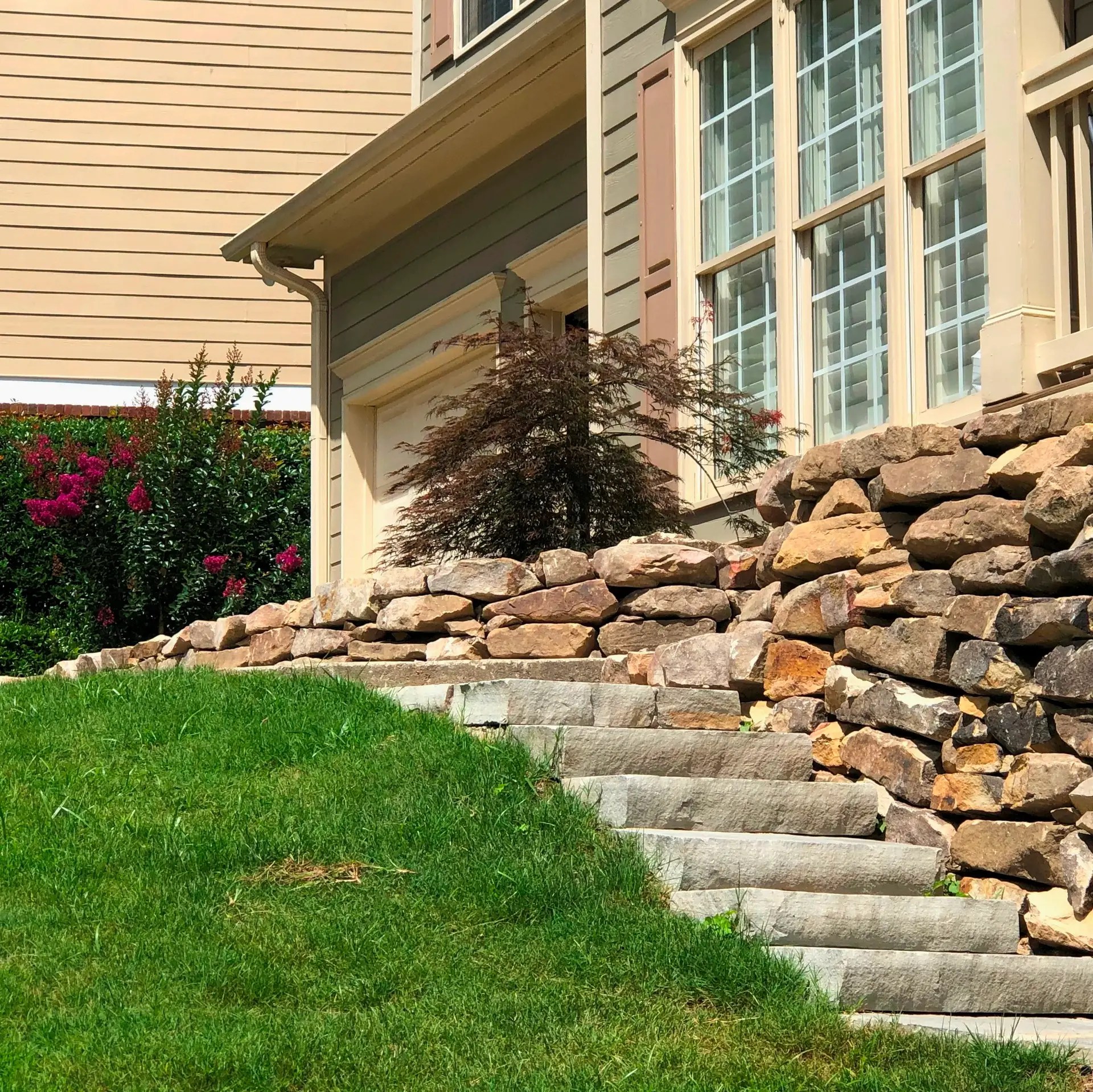


As experienced Sugar Hill retaining wall contractors, Outdoor Spaces designs and constructs retaining wall systems for homeowners, commercial properties, HOAs, and developers throughout Sugar Hill, Buford, Dacula, Grayson, Snellville, and surrounding Gwinnett County communities. Whether you need to stabilize a hillside, replace a failing retaining wall, improve drainage, or create terraced outdoor living areas, we design solutions built for long-term structural performance and lasting beauty.
Retaining wall construction begins with a detailed evaluation of site conditions, including grading, soil characteristics, drainage patterns, wall height, and long-term structural demands. This planning process allows us to recommend a retaining wall solution that delivers dependable performance while complementing the appearance of your landscape design.
Every retaining wall project is constructed using proven methods that improve drainage, stabilize slopes, and create durable, attractive outdoor spaces built to last.
Main Types of Retaining Walls Built in North Metro Atlanta
- Timber Retaining Walls
- Segmental Retaining Walls
- Concrete Block Retaining Walls
- Poured Concrete Retaining Walls
- Natural Stone Retaining Walls

Every retaining wall serves the same basic purpose—holding back soil—but not every wall is built the same way. Soil conditions, elevation changes, drainage requirements, expected loading, and architectural style all influence the type of retaining wall best suited for a particular project.
As experienced Sugar Hill retaining wall contractors, Outdoor Spaces installs several proven retaining wall systems, each selected to provide the structural performance, appearance, and longevity appropriate for your property.
Timber Retaining Walls
Pressure-treated timber retaining walls remain a practical choice for modest elevation changes, landscape borders, planting terraces, and other smaller residential applications. Their natural appearance blends well with wooded settings and traditional landscape designs while providing an economical solution for light-duty retaining needs.
Although properly constructed timber walls can provide years of service, they have a shorter lifespan than concrete or natural stone retaining walls due to continual exposure to moisture and changing weather conditions. For many homeowners, the relatively small difference in installation cost makes more durable retaining wall systems a better long-term investment.
Segmental Retaining Walls
Segmental retaining walls (SRWs) are among the most popular retaining wall systems used throughout North Metro Atlanta because they combine structural performance with attractive architectural finishes. Individual concrete blocks interlock without mortar, allowing the wall to accommodate minor ground movement while maintaining excellent stability.
These retaining wall systems incorporate free-draining backfill and engineered drainage components that reduce hydrostatic pressure and improve long-term performance. When wall height or loading conditions require additional reinforcement, geogrid is installed within the retained soil to create a stronger composite structure capable of supporting greater loads.
Available in numerous colors, textures, and profiles from manufacturers including Techo-Bloc, Belgard, Allan Block, and Keystone, segmental retaining walls complement both traditional and contemporary landscape designs.
Reinforced Concrete Block Retaining Walls
Concrete masonry unit (CMU) retaining walls are constructed using reinforced concrete block filled with concrete and steel reinforcement. Unlike gravity wall systems, these walls rely on structural engineering to resist significant earth pressure and support heavier loads.
They are commonly specified for commercial developments, engineered residential projects, roadway improvements, and locations where greater structural capacity is required. Decorative finishes such as natural stone veneer, stucco, or architectural masonry can be incorporated to complement nearby buildings and surrounding hardscape features.
Poured Concrete Retaining Walls
Poured concrete retaining walls provide exceptional strength for projects involving steep slopes, substantial retained soil, or heavy surcharge loads. Reinforced concrete and steel work together to transfer pressure safely into engineered footings while resisting movement over time.
These walls are frequently used for commercial construction, transportation projects, large residential retaining walls, and other applications where structural demands exceed the capabilities of gravity wall systems. When properly engineered and combined with effective drainage, poured concrete retaining walls offer outstanding durability and long service life.
Natural Stone Retaining Walls
Natural stone retaining walls combine structural function with timeless character. Constructed from fieldstone, quarried stone, or landscape boulders, these gravity walls rely primarily on their mass to resist soil pressure while creating an appearance that blends naturally into the surrounding landscape.
Natural stone is frequently selected for garden terraces, decorative landscape features, erosion control projects, and outdoor living spaces where aesthetics are just as important as structural performance. Every installation showcases the unique colors, textures, and shapes found in natural stone, creating a one-of-a-kind finished product.

Professional Retaining Wall Construction
A retaining wall’s appearance is important, but long-term performance depends on what lies beneath the finished surface. Proper design, thorough site preparation, quality materials, effective drainage, and precise installation all play critical roles in determining how well a retaining wall performs over time.
As trusted Sugar Hill retaining wall contractors, Outdoor Spaces follows established construction practices that emphasize durability, structural integrity, and dependable long-term performance. Every retaining wall is planned around the unique characteristics of the site rather than relying on one-size-fits-all construction methods.
Walls exceeding certain heights or supporting additional loads may require engineering and local permitting. We evaluate these requirements during the planning process to help ensure every project complies with applicable building codes and engineering standards.
Site Evaluation & Design
Thoughtful planning helps ensure the finished retaining wall integrates naturally with the surrounding landscape while providing the structural stability and drainage performance necessary for decades of reliable service. Proper site preparation, engineered materials, and quality workmanship improve long-term performance.
Excavation & Base Preparation
The foundation is one of the most important components of any retaining wall. Unsuitable soils are removed, excavation is completed to the required depth, and a compacted aggregate base is installed to create a stable platform capable of supporting the wall.
Proper base preparation minimizes settlement, improves load distribution, and significantly reduces the likelihood of leaning, cracking, or premature structural failure.
Sugar Hill retaining wall contractors invest time in this stage of construction helps protect the long-term performance of the entire retaining wall system.
Effective Drainage Systems
Water management is essential to every successful retaining wall installation. Without adequate drainage, groundwater can accumulate behind the wall and create hydrostatic pressure that gradually weakens the structure.
Our retaining wall systems incorporate carefully designed drainage components, including free-draining stone backfill, perforated drain pipe, drainage aggregate, filter fabric, and properly designed discharge points that safely move water away from the wall. By controlling groundwater before pressure develops, these drainage systems help protect both the retaining wall and the surrounding landscape.
Geogrid & Structural Reinforcement
Many retaining walls require reinforcement beyond the wall itself. Depending on wall height, retained soil, and anticipated loading, geogrid reinforcement may be incorporated into the backfill to create a stronger composite soil structure capable of resisting greater forces.
Projects requiring even greater structural capacity may utilize reinforced concrete or engineered retaining wall systems designed to safely support substantial loads while maintaining long-term stability. Every reinforcement strategy is selected according to project conditions, ensuring the retaining wall performs reliably for years to come.
Before & After Retaining Wall Projects
The right retaining wall can dramatically improve both the appearance and functionality of a property. Landscapes that were once difficult to maintain because of steep slopes, erosion, or poor drainage can be transformed into stable, attractive outdoor spaces that are easier to use and enjoy.
As experienced Sugar Hill retaining wall contractors, Outdoor Spaces designs retaining wall systems that address the underlying causes of landscape problems rather than simply covering them up.
Every project is planned around the property’s existing grades, drainage patterns, soil conditions, and intended use to ensure the completed wall provides both structural performance and visual appeal.

Sugar Hill Retaining Wall Contractors: Why Retaining Walls Fail
Retaining Wall Failures Develop Gradually
In nearly every case, the underlying cause can be traced to improper design, poor construction practices, inadequate drainage, or insufficient structural support.
As experienced Sugar Hill retaining wall contractors, Outdoor Spaces follows proven construction methods that help maximize structural integrity, minimize maintenance, and extend the service life of every retaining wall we build.

Poor Base Preparation
Every retaining wall depends on a solid foundation. If unstable soil is left in place or the aggregate base is improperly installed, the wall may begin to settle unevenly over time. As settlement continues, homeowners often notice leaning sections, cracking, uneven block alignment, or movement that becomes progressively worse.
Inadequate Drainage
Water is responsible for more retaining wall failures than almost any other factor. Without an effective drainage system, groundwater accumulates behind the wall, creating hydrostatic pressure that places tremendous force against the structure.
Professional retaining wall drainage systems typically include free-draining stone backfill, perforated drain pipe, drainage aggregate, filter fabric, and properly designed discharge outlets. Together, these components move water away from the wall before damaging pressure can develop.
Insufficient Soil Compaction
The soil placed behind a retaining wall must be installed and compacted in controlled lifts. Inadequate compaction allows the backfill to settle over time, creating voids and uneven support behind the wall.
As the retained soil shifts, additional pressure may develop that contributes to movement, cracking, or wall deformation. Proper compaction is an essential step in building a retaining wall that performs reliably for decades.
Missing or Improper Geogrid Reinforcement
Many retaining walls require reinforcement that extends into the retained soil behind the wall. Geogrid creates a stronger composite soil mass capable of supporting greater loads and taller wall heights.
If reinforcement is omitted when needed—or installed incorrectly—the wall’s structural capacity may be significantly reduced, increasing the risk of movement or premature failure.
Undersized Footings
Concrete retaining walls and reinforced masonry walls rely on engineered footings to safely transfer loads into the supporting soil. Footings that are too shallow, too narrow, or improperly reinforced may settle, rotate, or crack under load.
Proper foundation design by Sugar Hill retaining wall contractors is especially important for taller retaining walls, commercial installations, and projects supporting driveways, buildings, or other structures.
Hydrostatic Pressure Behind the Wall
Hydrostatic pressure develops when groundwater becomes trapped behind a retaining wall. As pressure builds, it continually pushes against the structure, eventually causing bulging, cracking, leaning, or complete structural failure if drainage is inadequate.
Designing an effective drainage system is one of the most important investments that can be made in the long-term performance of any retaining wall.
Retaining Wall Repair & Replacement
Even well-built retaining walls can deteriorate over time due to soil movement, poor drainage, tree roots, and weather exposure. Addressing problems early often prevents more extensive damage and costly repairs. Common warning signs include:
- Leaning or bowing walls
- Cracks or bulging
- Settlement or movement
- Soil erosion
- Standing water
- Loose or displaced blocks
As experienced Sugar Hill retaining wall contractors, Outdoor Spaces provides inspections, structural repairs, reconstruction, and complete wall replacement. We identify the underlying cause of failure and recommend repairs that restore long-term stability, drainage, and structural performance.
Retaining Wall Drainage & Erosion Control
A retaining wall should do more than hold back soil—it should also manage water. Every retaining wall we build is designed to control groundwater and surface runoff, helping protect the wall, surrounding landscape, and nearby structures from erosion and water damage.
Our retaining wall drainage systems may include free-draining stone backfill, perforated drain pipe, drainage aggregate, filter fabric, and properly designed drain outlets to move water away from the wall and reduce hydrostatic pressure.
North Metro Atlanta drainage service areas include Sugar Hill Drainage Contractors, Braselton Drainage Contractors, Johns Creek Drainage Solutions, Lawrenceville Drainage Solutions, Suwanee Drainage Solutions, Drainage Solutions Gwinnett County and Drainage Solutions Hall County.
By combining proper grading, drainage, and erosion control, we build retaining wall systems that reduce hydrostatic pressure, improve slope stability, and deliver long-term structural performance.
Drainage Resource Pages
The following resource pages provide more detailed information about drainage, erosion control, grading, and stormwater management solutions:
Erosion Control
Grading and Drainage
Yard Flooding Solutions
Yard Drainage Systems
French Drain Installation
Why Choose Outdoor Spaces?
A retaining wall is a long-term structural investment that depends on proper design, quality materials, effective drainage, and skilled installation. As experienced Sugar Hill retaining wall contractors, Outdoor Spaces designs every wall for your property’s unique grades, soils, and drainage conditions. From decorative landscape walls to large structural retaining systems, we focus on quality craftsmanship, attention to detail, and lasting performance.
Serving Sugar Hill and Nearby Communities
Although this page focuses on Sugar Hill retaining wall contractors, Outdoor Spaces proudly serves homeowners, businesses, HOAs, and property managers throughout Sugar Hill and neighboring communities, including Johns Creek, Lawrenceville, Suwanee, Buford, Dacula, Grayson, Snellville, Braselton, and surrounding areas of Gwinnett County.
Our retaining wall services include decorative landscape walls, slope stabilization, retaining wall replacement, drainage improvements, erosion control, and engineered retaining wall construction for residential and commercial properties. Regardless of project size, every installation receives the same commitment to quality workmanship, thoughtful design, and long-term durability.
About Sugar Hill, Georgia
Sugar Hill is one of Gwinnett County’s fastest-growing communities, known for its award-winning downtown district, well-maintained parks, expanding trail system, and attractive residential neighborhoods. The city’s rolling terrain and frequent elevation changes create landscapes that often benefit from professionally designed retaining walls and integrated drainage improvements. Many homes throughout Sugar Hill are built on sloping lots where erosion, runoff, and unstable grades can become ongoing maintenance concerns.

Professionally installed retaining walls help stabilize these areas while creating level outdoor spaces for patios, gardens, lawns, and outdoor living areas. Outdoor Spaces is proud to help Sugar Hill property owners improve both the appearance and long-term stability of their landscapes.
Frequently Asked Questions
- How do I know if I need a retaining wall?
If your property has steep slopes, soil erosion, drainage problems, or unusable areas caused by changing elevations, a retaining wall may be the most effective solution. During a site visit, our team evaluates grading, drainage, and soil conditions to determine whether a retaining wall, grading modifications, drainage improvements, or a combination of solutions will best address your property’s needs.
- Is drainage really necessary behind a retaining wall?
Absolutely. Proper drainage is essential to the structural performance of every retaining wall. Without a drainage system, groundwater can accumulate behind the wall and create hydrostatic pressure that leads to cracking, leaning, bulging, or premature failure. Every retaining wall we construct is designed with drainage components appropriate for the site conditions.
- Can an existing retaining wall be repaired?
Many retaining walls can be repaired if problems are identified early. However, walls with significant structural damage, poor original construction, or extensive movement may require partial reconstruction or complete replacement. Sugar Hill retaining wall contractors Outdoor Spaces inspect the wall, determine the underlying cause of failure, and recommend the most practical long-term solution.
- Which retaining wall material lasts the longest?
Concrete block retaining walls, reinforced concrete walls, and natural stone retaining walls generally provide the longest service life when properly constructed. The best material depends on wall height, soil conditions, drainage requirements, structural loading, maintenance expectations, and the architectural style of your property.
- Will a retaining wall improve my property’s value?
A professionally designed retaining wall can enhance curb appeal, improve drainage, reduce erosion, protect landscaping, and create additional usable outdoor living space. These improvements often increase both the functionality and long-term value of residential and commercial properties.
- Does Outdoor Spaces build retaining walls for commercial properties?
Yes. As experienced Sugar Hill retaining wall contractors, we design and construct retaining wall systems for both residential and commercial applications. Our projects range from decorative landscape walls and garden terraces to engineered retaining walls for commercial developments, HOAs, drainage improvements, and large-scale slope stabilization projects.
