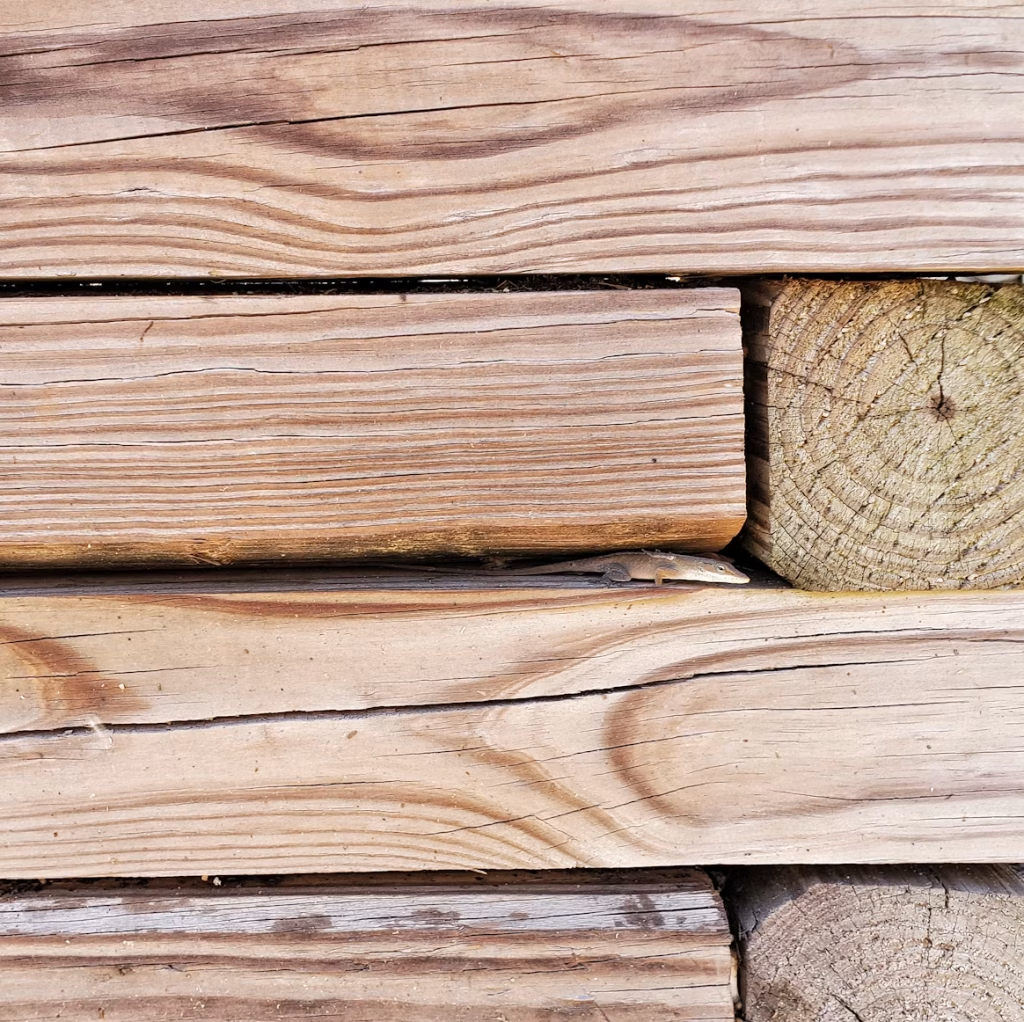
Timber Retaining Walls | Outdoor Spaces

Retaining walls stabilize slopes, prevent erosion, improve drainage, and create usable outdoor space. Among the available materials, timber retaining walls remain a popular choice for homeowners seeking a rustic appearance and natural landscape aesthetic.
Pressure-treated wood has been used for decades and continues to perform well in appropriate applications. However, advances in retaining wall engineering and modern concrete block systems now provide longer-lasting alternatives that often deliver greater structural performance with comparable installation costs.
At Outdoor Spaces, we believe homeowners make the best decisions when they understand the advantages and limitations of every retaining wall material. Rather than recommending one solution for every project, we evaluate your property’s grades, drainage, soil conditions, intended use, and long-term goals before recommending the most appropriate retaining wall system.
For some projects, timber remains a practical choice. For many others—especially where durability and structural performance are priorities—segmental concrete block, natural stone, or poured concrete retaining walls provide greater long-term value.
What Are Timber Retaining Walls?
Timber retaining walls are retaining structures constructed from pressure-treated lumber or heavy landscape timbers that are stacked horizontally and secured together using long spikes, lag bolts, steel pins, or other fastening systems. The completed wall resists soil pressure while helping stabilize changes in elevation.
Most timber retaining walls use pressure-treated Southern Yellow Pine because of its strength, availability, and resistance to decay. Larger structural timbers are typically selected for retaining wall construction, while lighter landscaping timbers are generally reserved for decorative applications.
These walls are commonly used to:
- Separate changes in grade
- Create raised planting beds
- Stabilize small slopes
- Improve landscape appearance
- Define outdoor spaces
- Reduce minor erosion
Timber walls generally work best for lower retaining walls where structural loads remain relatively modest. Taller retaining walls or projects supporting driveways, buildings, or other heavy loads often require engineered retaining wall systems constructed from concrete block or reinforced poured concrete.
One reason homeowners continue to consider timber is its warm, natural appearance. Wood blends well with wooded lots, traditional gardens, and rustic landscape designs, creating a softer visual transition than many structural materials.
However, wood is also an organic material that naturally deteriorates over time. Even pressure-treated lumber is continuously exposed to moisture, insects, soil contact, and seasonal weather conditions. Eventually, these factors affect the structural integrity of the wall.
For this reason, many homeowners evaluating retaining wall options choose to compare timber with alternative materials before making a final decision.
Table of Contents
Advantages and Limitations of Timber Retaining Walls
Like any retaining wall material, timber retaining walls offer both advantages and disadvantages. Understanding these characteristics helps homeowners choose the best solution for their landscape, budget, and long-term goals.
Advantages of timber retaining walls include…
Warm and Natural Appearance
One of the biggest benefits of timber retaining walls is their warm, rustic appearance. Pressure-treated wood blends naturally with wooded properties, traditional gardens, and informal landscapes while complementing surroundings.
Flexible Design and Available Materials
Timber adapts to straight or curved walls, terraces, raised beds, and landscape edging. Pressure-treated Southern Yellow Pine is widely available in Georgia, making future repairs and modifications relatively straightforward.
Straightforward Construction
For modest residential projects, timber retaining walls are generally less complex to build than reinforced structural wall systems, making them a practical option where significant engineering is unnecessary.
Disadvantages of timber retaining walls include…
Limited Service Life
The primary disadvantage of timber retaining walls is longevity. Drainage, soil conditions, weather, and maintenance all influence lifespan, but timber generally does not last as long as concrete block, natural stone, or poured concrete.
Moisture and Insects
Although preservative treatment improves durability, wood still expands and contracts with changing moisture levels. Over time this may result in checking, splitting, warping, rot, and fastener deterioration. Prolonged moisture can also increase susceptibility to insect damage.
Structural Limitations
Timber retaining walls perform best for relatively short walls and modest grade changes. Taller walls, heavy surcharge loads, parking areas, driveways, or building foundations typically require engineered retaining wall systems.
Long-Term Value
Finally, many homeowners assume timber is significantly less expensive than alternative materials. In reality, proper excavation, drainage, aggregate base, backfill, and skilled labor are required regardless of wall material. Because installation costs are often similar, longer-lasting materials frequently provide better lifetime value.


When Timber Retaining Walls Are Appropriate
Timber retaining walls remain an excellent choice for:
- Raised garden beds
- Decorative landscape borders
- Woodland properties
- Rustic landscape designs
- Small residential grade changes
- Short retaining walls with minimal structural demands
Projects involving greater wall heights, poor drainage, or long-term structural performance often benefit from concrete block, natural stone, or reinforced concrete alternatives.
Timber Retaining Wall Construction and Drainage
The performance of timber retaining walls depends as much on proper construction as on the lumber itself. Most walls in Georgia use pressure-treated Southern Yellow Pine rated for ground contact. Successful installations typically include:
- Stable, compacted aggregate foundations
- Proper wall alignment and structural fastening
- Controlled backfilling and compaction
- Drainage stone behind the wall
- Perforated drain pipe
- Filter fabric
- Surface grading that directs water away from the wall
Effective drainage minimizes hydrostatic pressure while reducing long-term moisture exposure, one of the leading causes of wood deterioration.
Timber Retaining Wall Maintenance and Expected Lifespan
Routine inspections help extend the life of timber retaining walls. Homeowners should periodically check drainage outlets, wall alignment, fasteners, vegetation, and signs of rot or insect activity.
Although well-built timber walls can provide many years of service, they generally have a shorter lifespan than concrete or natural stone. Eventually, replacement often requires demolition, excavation, reconstruction, and landscape restoration, making long-term durability an important consideration.
Comparing the Life Span of Timber vs. Concrete and Stone
Compared with other retaining wall materials, timber retaining walls offer natural beauty but require more maintenance and typically have a shorter service life.
Concrete block and natural stone generally provide:
- Greater durability
- Higher structural capacity
- Lower long-term maintenance
- Longer service life
- Better overall value for many permanent landscape improvements
Cost Factors Make Timber Walls Similar to Other Wall Types
The total investment depends on much more than the visible wall. Important factors include:
- Wall height and length
- Soil conditions
- Drainage requirements
- Site accessibility
- Material selection
Properly constructed timber retaining walls require many of the same construction steps as concrete block systems, including excavation, base preparation, drainage installation, backfill, and compaction. As a result, overall project costs are often closer than homeowners expect.
Gravity Walls vs. Reinforced Segmental Retaining Walls
Why Professional Installation Matters
The long-term performance of timber retaining walls depends on careful planning, drainage, foundation preparation, and proper construction. Georgia’s heavy rainfall and expansive clay soils place significant demands on retaining walls.
An experienced contractor evaluates grades, soil conditions, drainage, structural loading, and local building requirements before construction begins. Just as importantly, a professional can help determine whether timber is the most appropriate material or whether a longer-lasting retaining wall system would provide better value for the property.
Contact Outdoor Spaces
Every retaining wall project begins with understanding your property—not simply choosing a material. Outdoor Spaces designs and builds retaining walls throughout Metro Atlanta and North Georgia, evaluating grading, drainage, soil conditions, and long-term performance before recommending the best solution. If a timber retaining wall is appropriate, we’ll build it using proven construction methods. If another system offers greater durability and value, we’ll explain your options so you can make an informed decision. Contact us online or call (770) 880-3405 to schedule a consultation and discuss your project.
Frequently Asked Questions (FAQs)
1. How long do timber retaining walls typically last?
The lifespan of a timber retaining wall depends on the quality of the lumber, drainage, soil conditions, and construction methods. Although pressure-treated wood extends durability, timber generally has a shorter service life than concrete block, natural stone, or poured concrete retaining walls.
2. Are timber retaining walls less expensive than concrete block retaining walls?
Not necessarily. Both wall types require excavation, foundation preparation, drainage systems, backfill, compaction, and skilled labor. In many cases, the overall construction costs are comparable, making longer-lasting concrete block systems a better long-term investment.
3. When are timber retaining walls a good choice?
Timber retaining walls are often appropriate for raised garden beds, decorative landscape walls, rustic landscape designs, and smaller residential projects with modest structural demands. Larger retaining walls or projects supporting significant loads are usually better suited to engineered concrete systems.
4. Do timber retaining walls require drainage?
Yes. Proper drainage is essential. Gravel backfill, perforated drain pipe, filter fabric, and proper grading help reduce hydrostatic pressure and minimize moisture exposure that can accelerate wood deterioration.
5. What retaining wall material does Outdoor Spaces generally recommend?
Every project is different, but for many residential and commercial applications, Outdoor Spaces often recommends segmental concrete block, natural stone, or poured concrete retaining walls because they typically provide greater durability, lower maintenance, and a significantly longer service life than timber.
Call (770) 880-3405 to schedule a site visit and receive professional advice about your landscaping design and installation plans.